


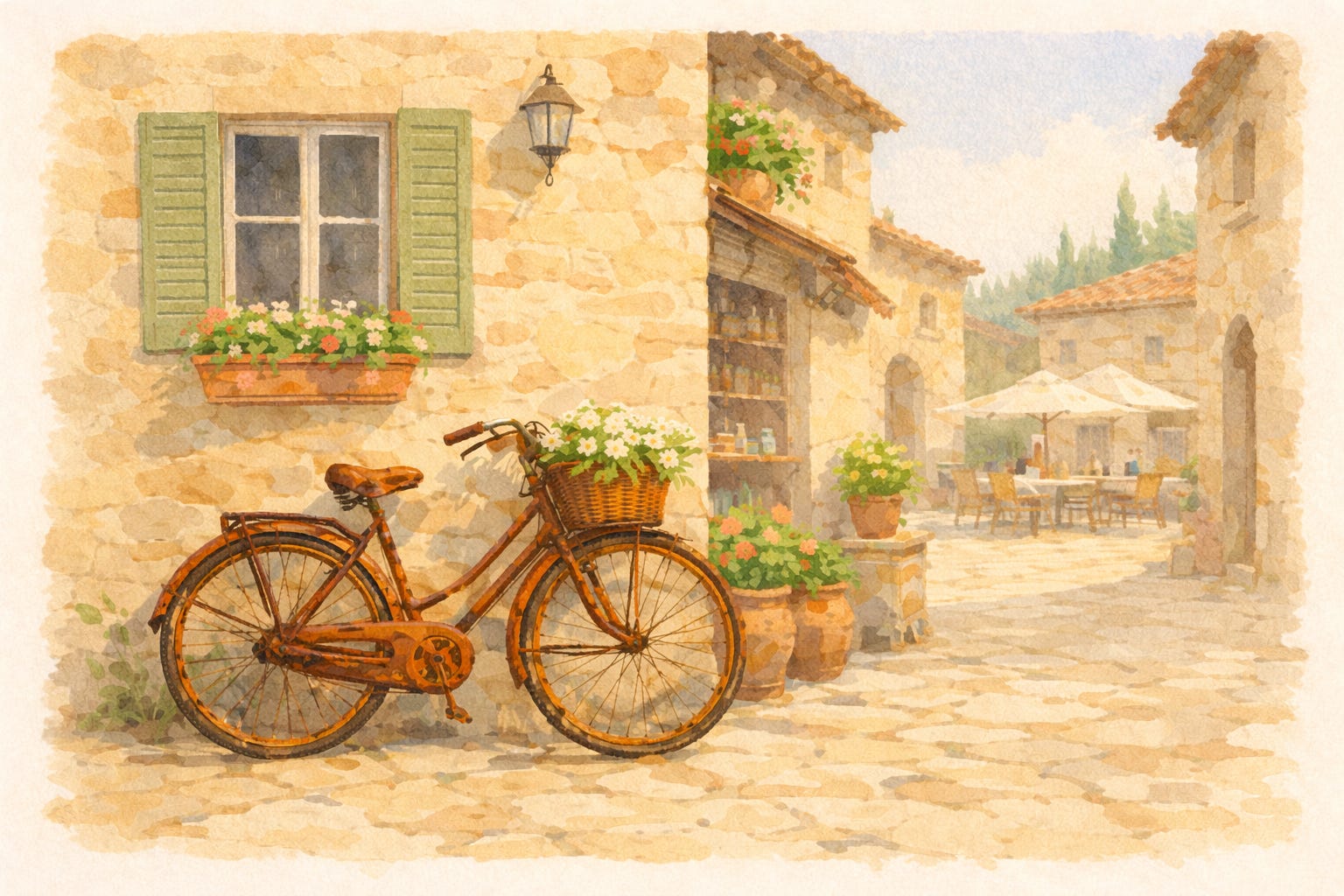
I purchased my second car, only a few months used, at Off Lease in 2011. I kept it for years and enjoyed it, especially after I paid it off. Over time, the paint faded, and eventually I noticed faint rust spots along the edge of the hood and across the top of the car.
At first, I ignored it. That is, until it became impossible to overlook; through neighbors’ wandering eyes and the occasional comment from friends. What finally pushed me to act wasn’t embarrassment, but the desire for the car to last longer. I wanted to keep it going. So I repainted it in its original color, and now it looks brand new.
This experience isn’t unique.
People all over the world live with rust on their vehicles, though what it means varies widely. In some places, older, rusted cars are the norm; not by choice, but by necessity. Replacement isn’t an option, so care (or acceptance of rust) becomes a habit.
In others, rust feels almost intentional, like in parts of Appalachia, where work ethic and visible signs of use are valued, and a worn car can signal virtue rather than neglect.
These differences extend beyond cars.
Rust appears everywhere; playground equipment worn smooth by hands, grills left out through summers and storms, screws in outdoor furniture, drill bits dulled by years of use. Anything exposed long enough to time and weather will eventually show it.
And yet, when we instinctively fight rust, we often miss what it represents; or what it quietly does to the things and memories we care about.
II. The pressure to replace what’s old
Most of us don’t wait for rust anymore. We replace things long before they fall apart. Often, we replace them before they even show a scratch, because of a new update, a design change, or a shift in style.
The clearest example is the phone in our pockets.
An iPhone still works. The screen isn’t cracked. The battery lasts most of the day. And yet, every few years, a quiet pressure sets in. A new model arrives; the camera is sharper, the edges are cleaner, and the device is thinner, faster, and smoother.
Nothing is wrong with the old one. The only thing that changes is desire.
This pressure rarely comes from necessity. It comes from comparison; from subtle reminders that what we own is no longer current, that it belongs to a previous launch. We’re trained to notice the difference between models, to feel the distance between “still fine” and “already outdated.” This is also why markets continue to move away from analog design; it becomes harder to justify large price jumps when innovation slows.
Unlike rust, this kind of obsolescence leaves no visible mark. There’s no corrosion, no wear pattern, no sign of honest use. The device doesn’t age; it’s simply replaced. And because there’s no visible decline, there’s no invitation to care, repair, or restrain ourselves.
This cycle reshapes how we relate to objects. We stop asking whether something still serves us and start asking whether it still signals relevance. The decision to replace becomes emotional rather than practical.
Rust resists this logic. It announces itself slowly. It gives a warning. It asks for attention rather than replacement. Where modern objects disappear quietly into drawers and trade-in programs, rust stays visible. It insists on being acknowledged.
And in that insistence, it teaches something we’ve nearly forgotten: that endurance, not newness, is what gives objects—and perhaps people—their meaning.
III. The life and pursuits of rust
Rust is hydrated iron(III) oxide. It forms through an electrochemical process involving iron, oxygen, and water. The result is the familiar flaky, porous, reddish surface we recognize so easily. Unlike protective oxides that form on some metals, rust does not seal. It loosens, spreads, and allows corrosion to continue, often accelerated by salt, acids, and humidity.
At first glance, rust seems purely destructive; a failure of maintenance, a sign that something has been neglected. But that isn’t always true.
With weathering steel, rust is intentional. It forms a stable patina that protects the metal beneath it, slowing further corrosion and removing the need for paint. The surface changes, but the structure holds. This is why rust appears so confidently in architecture, bridges, and industrial design, where it serves both function and beauty.
From this, three realities shape how we understand rust:
It depends on the material.
It depends on perspective.
It depends on whether we accept or ignore it.
On ordinary metal, rust consumes. On engineered steel, it protects. In human terms, the difference often mirrors how we respond to experience, whether pressure erodes us or hardens us into something more resilient.
IV. Perspective changes what corrosion becomes
When something affects us, we choose what it becomes. We can let it weaken us, or we can learn from it and grow stronger. Rust does not make us less. It marks who we have become over time and through exposure.
Acceptance is where things diverge most clearly. We can acknowledge rust and respond to it, or we can pretend it isn’t there. But ignored rust doesn’t disappear. It spreads quietly. It works beneath the surface. It eats away until gaps and fractures form; much like metal left unattended, much like habits or relationships we refuse to examine.
This is where appreciation begins, not in denial, but in recognition.
V. Time made visible
When a car develops rust, it isn’t just an eyesore. It’s evidence of years spent working, commuting, traveling, and moving through the world. It is time made visible. As objects wear, they record life. When we replace things too quickly, we lose the quiet history embedded in them. We also lose a sense of restraint.
Consider the billionaire. If he can afford everything, will he choose to say no to the bigger television or the larger boat? The ability to say no; to stop; to accept enough; is the line between greed and self-discipline. Just because you can does not mean you should. When everything is affordable, restraint stops being a necessity and becomes a choice, and that choice quietly shapes who we become.
Rust stands in quiet opposition to greed. It reminds us that even when something new is within reach, choosing not to replace what still works can be an act of care; and sometimes, an act of wisdom.
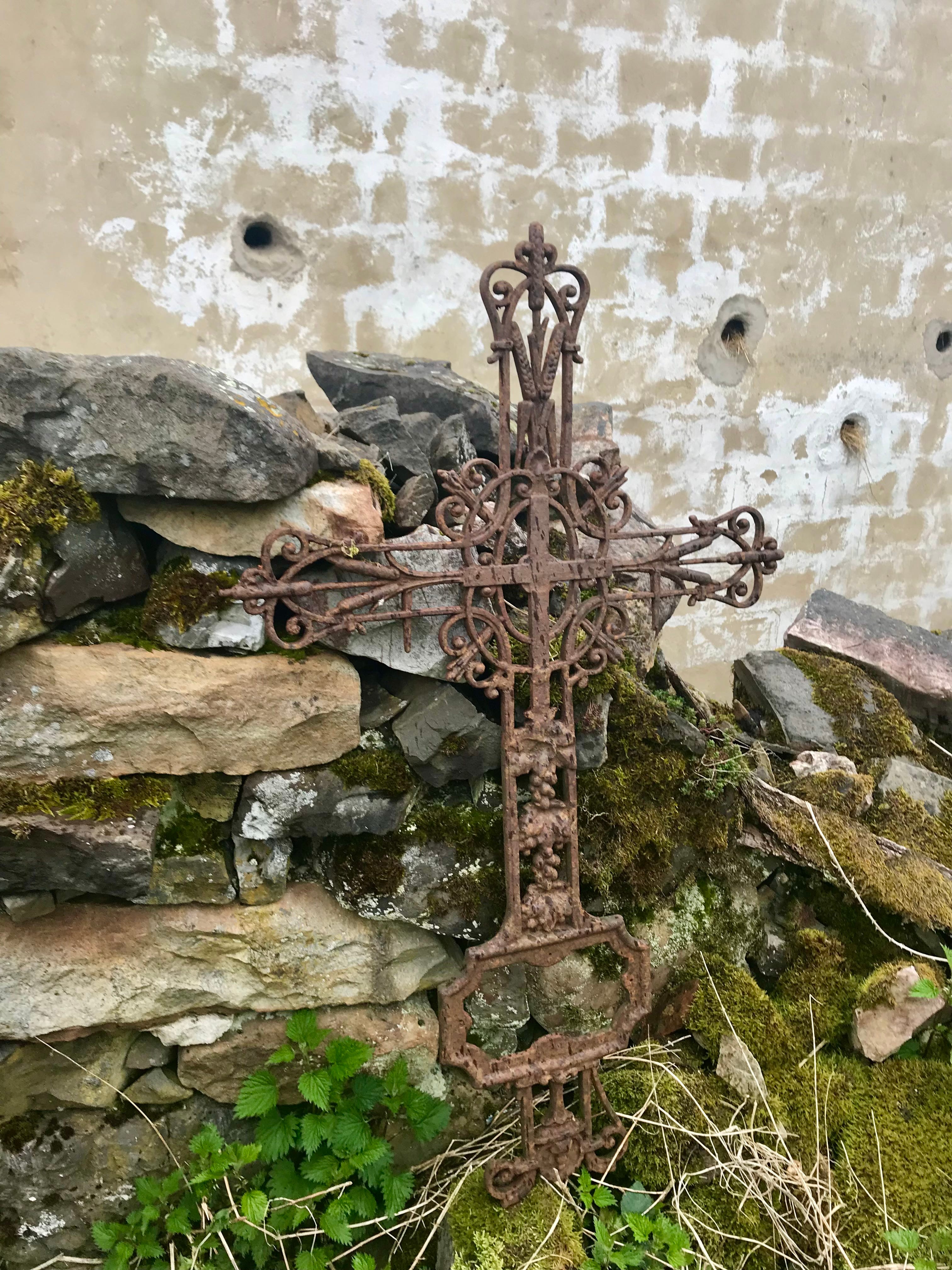
Rust, and its human equivalents, wrinkles, folds, and tears, become a mark of having lived rather than a flaw to be erased. That’s why parting with rusted things is so difficult. An old hammer, rusted now, but once your father’s. A paperback falling apart, filled with ten years of notes and underlines. These objects carry memory. They deserve care, not dismissal.
VI. Repair as devotion
My parents once gave me a porcelain coaster from Italy. It became my favorite. One day, it fell and shattered into several pieces. Instead of throwing it away, I glued it back together, filled the gaps with clay, and sealed it.
Now it means more to me than before, precisely because its story is visible. The cracks didn’t ruin it; they added sentimental value.
Meaning often arrives later. Some things are only understood after they’ve endured damage, neglect, or the passage of time. These are the rust moments that add color to life; the ones that teach us how attachment deepens through care.
VII. Choosing things that can rust
In our own lives, we can learn from rust, appreciate it, and even welcome it. That means keeping things longer. Repairing instead of replacing. Choosing what we bring into our lives more carefully in the first place.
We begin to value quality; things built to last; things with the capacity to rust, to change, to carry time with them:
A KitchenAid mixer instead of cheap plastic.
An iron skillet instead of disposable nonstick.
A metal juicer instead of something made to crack.
And this extends beyond objects. It applies to relationships too. We should choose them for depth, for growth, and for what they can become over time, not for how pristine they look at the start.
Rust, after all, is not decay alone. It is proof that something was kept long enough to change. In a culture that replaces at the first sign of friction, rust asks a quieter question: not whether something is worth fixing, but whether we are willing to stay with it long enough for time to leave a mark. What we choose to repair, and what we choose to discard, eventually becomes a record of who we are.