



The entire U.S. has recently experienced freezing temperatures and storms. While I sympathize with those enduring extreme temperatures, we’ve experienced new realities here in Florida.
We’ve caught some of the cold front, and our winter winds look quite different. Iguanas fall out of the air, stunned; boa constrictors freeze and die in the wetlands; young tropical trees die; and the sight of flurries and frozen car hoods eerily exists in a place they don’t belong.
Beyond the reptiles, the quiet victims are the plants. And watching how residents respond to the freezing threats these temperatures bring has been revealing.
Limited bags, limited time
As the news shared about temperatures below the freezing point—in the twenties Fahrenheit—locals with plant life took to Facebook and similar platforms to share ideas on how to protect their plants from dying.
Many recommended covering them with plastic bags or trash bags, or bringing them inside if possible. Throughout the neighborhood, I could see bags covering orchids attached to palm trees, bags on hedges, lemon trees, herb gardens, and papaya trees.
What was interesting, however, was seeing what people chose to save.
While the media talked of these temperatures, not everyone had the time to think over what that meant; these were temperatures colder than in a decade, so few people knew what to do. Bags and time were limited. Some people chose to save a few trees and plants while allowing others to suffer or die.
In my case, I protected my orchids and fruit trees. The herb garden was another story.
I didn’t have enough bags or time, as the wet, humid temperatures dropped the night before, to cover it all. So I chose the most vulnerable and the ones that were more difficult to protect in our climate: the basil, parsley, and cilantro. The hardier Caribbean oregano, a tall dill plant, and some small pepper plants were fully exposed. The dill plant didn’t make it, nor did the Caribbean oregano. But those were the easiest for me to reproduce and care for.
When instinct takes over
In life, there are more extreme versions of this.
Think of a family on vacation.
If toddlers escape their parents’ grasp and board a train at a station, and there’s no time—gut instinct will make them leave all their other belongings to save the kids. These moments are defining for each of us because they reveal what’s most important.
If you get terminally ill, for example, your entire perspective on life and your appreciation for general health change overnight. When someone is on their deathbed, they’re thinking of the most important things: family, relationships, and legacy.
Ancient tests of truth
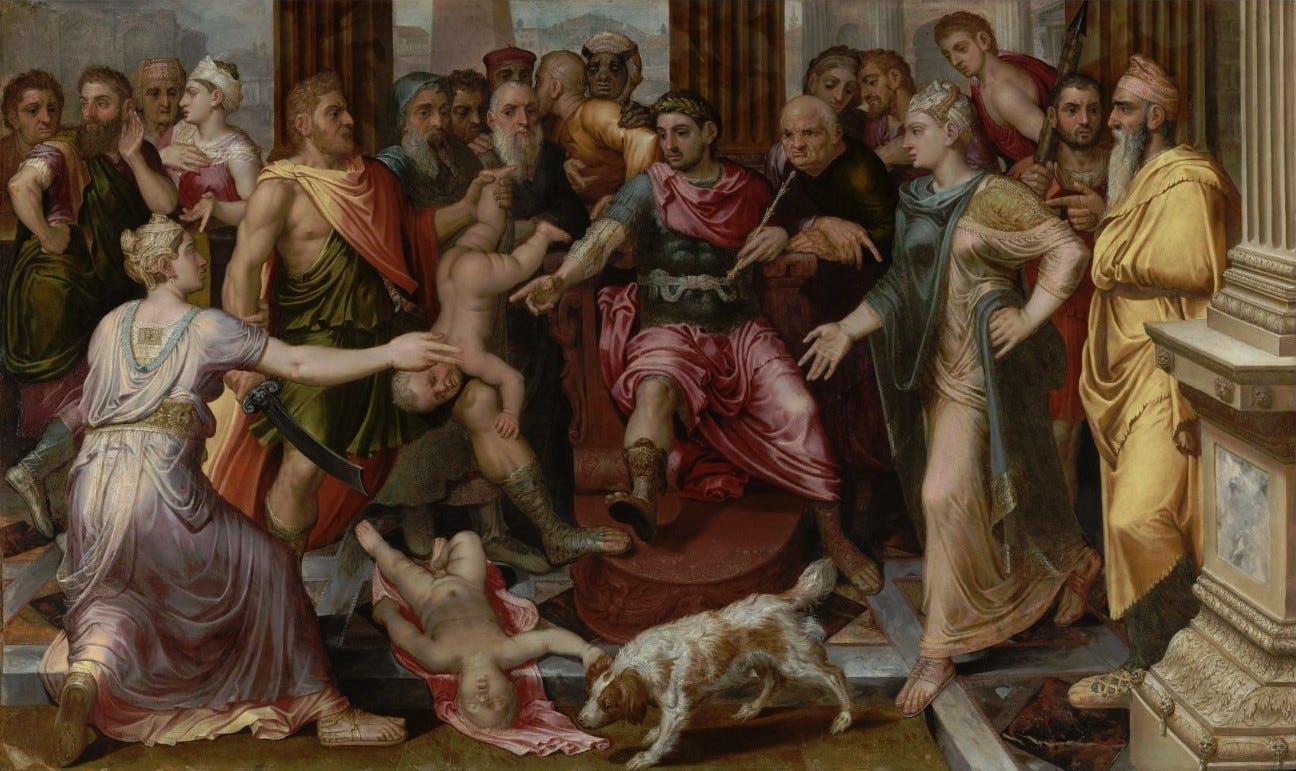
We can look to ancient records for more examples of this, like King Solomon’s account of the two mothers. When two women claimed the same child, and the king had to decide who was telling the truth, he proposed ending the matter by killing the child.
His ploy worked because one mother broke down with desperation and offered to give the child to the other woman to save the life. This is a freezing moment, when an immediate threat reveals your core truth.
For Cleopatra in Egypt, she had to decide if capture was worth what she believed in and her legacy. Instead, she chose to retain her image and autonomy and took her own life (traditionally said to be by asp bite, though historians debate whether poison or other means were used).
What fiction shows us
In Philip K. Dick’s Do Androids Dream of Electric Sheep?, J.R. Isidore excitedly shows a rare living spider he found to the fugitive androids, but Pris Stratton casually begins mutilating it by cutting off its legs one by one with scissors to test how few it needs to function.
The androids watch impassively with no empathy or concern for the creature’s suffering, starkly revealing their artificial nature and lack of genuine compassion. Horrified, Isidore eventually snatches the mutilated spider and drowns it to end its agony, highlighting how this immediate threat to innocent life exposes the fundamental difference between human empathy and android indifference.
In Roald Dahl’s Charlie and the Chocolate Factory, Willy Wonka’s golden ticket contest and factory tour serve as a series of clever tests that reveal each child’s true character when faced with wonder, rules, and temptation. While the other four children give in to greed, gluttony, entitlement, and obsession—leading to their colorful (but harmless) exits—Charlie stays humble, kind, and honest throughout.
In the final moment of choice, he returns the priceless Everlasting Gobstopper instead of selling it to Wonka’s rival, proving his integrity and earning the entire factory as Wonka’s worthy successor.
Beyond the moment
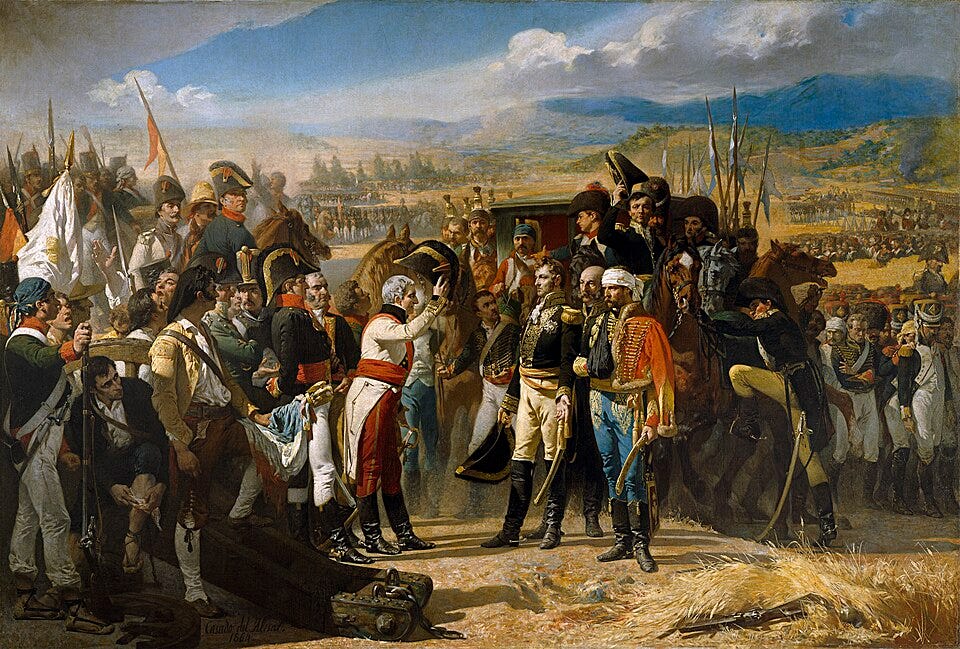
In reality, freezing points are defining moments. But unlike what we think of as defining moments—having little time to make a decision and therefore proving your character—a freezing point doesn’t have to be a moment. A freezing point is the realization of what is truly important: if you got rid of everything, what is essential? What would you do to secure that essential?
This is not minimalism. It’s recognizing the importance of your core identity, your needs, and the people around you, and what you would do to protect it.
José de San Martín, the Argentine liberator of South America in the early 19th century, faced a defining crossroads in 1822 after his victories. Meeting Simón Bolívar in Guayaquil, he could have claimed power, pursued rivalry, or sought personal glory over the fragile new republics. Instead, he voluntarily resigned command, stepped aside, and exiled himself to Europe—prioritizing continental unity and freedom above his own ambition, revealing that his core truth was selfless service to the greater cause.
The intense pressure of the encounter stripped away all distractions and forced an instant, instinctive revelation of what was truly essential to him—freedom for the continent over personal legacy—much like the sudden clarity that comes when everything else is at risk of being lost.
The practice of clarity
I’ve found that the closer we can identify these freezing points, the more we can enjoy life and those around us; the more likely we can grow what matters and protect it. By identifying these pillars, we can avoid the “how did I get here?” or “how did I miss this?” crises.
The best way to find these points is by seeking temporary solitude. This helps you meditate on what is essential. As Michel de Montaigne puts it in “On Solitude”:
“If you do not first lighten yourself and your soul of the weight of your burdens, moving about will only increase their pressure on you, as a ship’s cargo is less troublesome when lashed in place.”
By isolating yourself from external noise, you can focus on the essential parts of life. Then, imagine yourself on an island, with only a few people and items to take.
What would they be? And if you really did find yourself stranded on an island, what would count as your legacy? What would be most important about yourself?
If you are the same person stranded on an island as you are today, then you’ve centered your true self and value the right things, and only then can you identify your freezing point.