


Disclaimer: This essay shares my personal experience with water fasting and is not medical advice. Water fasting can be dangerous if done improperly or without adequate preparation. It may not be for you.
If you have a history of eating disorders, disordered eating, or use food restriction to manage difficult emotions, please do not read further. This essay and practice are not for you and could be harmful.
Before attempting any extended fast, consult with a healthcare professional and do thorough research. Do not attempt water fasting if you have underlying health conditions, are pregnant, or take medications that require food intake. Results can vary widely, and mine might not be typical. This essay is about why fasting mattered to me in a specific season, not a recommendation that others pursue the same path.
I’ve always wanted to do a water-only fast, but the literature online always discouraged it. I don’t blame content for making water fasting sound dangerous. It can be. But that’s only if you haven’t done the research and you start off extreme. If you approach water fasting carefully and properly, it can be a meaningful experience. In fact, for me, it’s been an experience I never want to forget.
When I ended 2025, I wanted to try my first strict water fast.
I had a few reasons, but it was mainly spiritual and a desire to deny the noise we all face day-to-day. I tried a 48-hour fast, then switched to OMAD (only dinners, so about 23-24 hour fasts) for several days, then did another 48-hour fast, and a 72-hour water fast. Since then, the experience has changed my life to the point where fasting has become a recurring, meaningful practice in my life
While I know water fasting isn’t for everyone, I do think some people will recognize themselves in this—and consider what kind of fasting is wise for their season. Water fasting, no matter the reason, is an act of self-denial; it gives us agency back in a world that pulls us in many different directions, begging for our loyalty, money, and attention.
Why water fasting worked for me when other fasts didn't
Unlike most fasts, a complete water fast is the ultimate denial of the most fundamental human needs. By denying your most basic needs, you’re forced to practice discipline in all parts of your life, from the ground up.
For example, even after my fasts, I was less likely to eat food that was not good for me. I started rethinking portion sizes and realized the overabundance and consumption of food throughout my own life and even at the average restaurant. During the fast, I used my phone less, mitigated my social media use, and exercised my patience and restraint.
One example of improved restraint was with my relationships. If I were to be irritated before, during the fast I was more patient to work through any challenges. There was a posture of “I can’t control what I can’t control” and allowing myself to live more freely and confidently.
Digital detoxes don’t work (here’s why water fasting does)
Water fasting wasn’t my only kind of fast. I’ve done restricted foods and I’ve done fasts like digital detoxing. While I think fasts like digital detox are valuable—any kind of fast, for that matter—I think they are only peripheral when it comes to long-term results.
Digital fasts, for example, are only treating the symptom of a greater problem: dopamine addiction.
We use the phone too much or listen to podcasts or use social media for hours a day, and this addiction to stimulation has a devastating effect on attention spans and mental health.
The logical choice, of course, seems to be to eliminate those things. But unfortunately, that’s the wrong part of the habit cycle.
Charles Duhigg explains habits in The Power of Habit through a cycle: the cue, the routine, and the reward.1
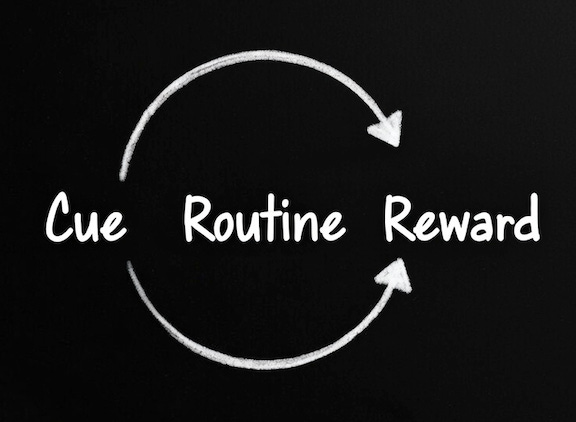
Often, we try to replace the whole habit. For digital detoxes, for example, we might get bored (the cue), and then because of that we spend time on social media (the routine), and the reward is feeling entertained, appreciated, or wanted through those digital social connections. In a digital detox, we focus too much on the full habit.
Duhigg suggests keeping the cue and reward but replacing the routine, which is much easier than replacing an entire habit. For example, if you get bored (the cue), your routine changes by reading a book instead of picking up your phone, and in turn, the reward is feeling mental stimulation from learning something new.
When you apply these principles, you can replace digital bad habits. But unfortunately, you have not learned to eliminate the cue and desire for reward altogether.
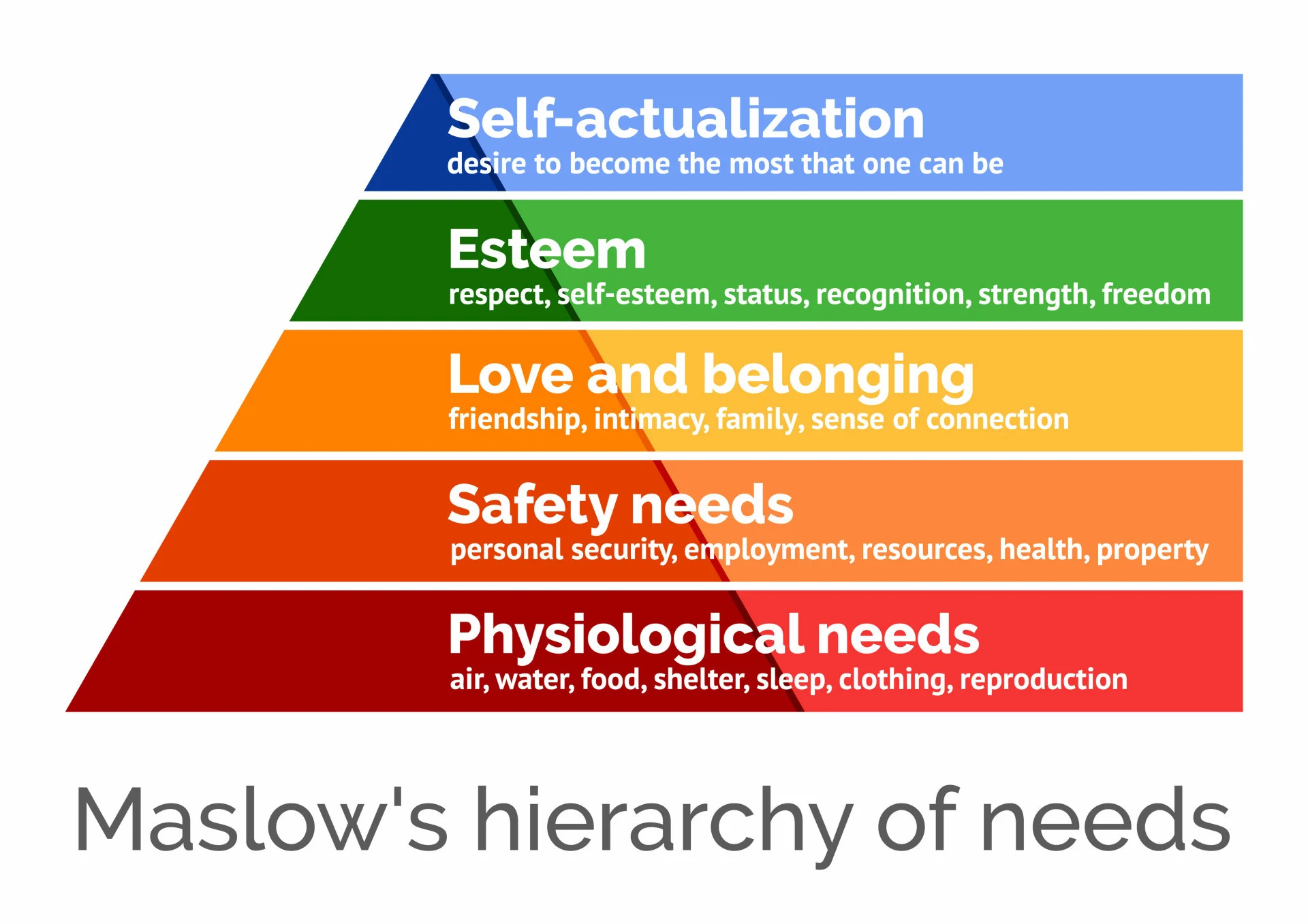
With a water fast, you’re focusing on a foundational human need. In Maslow’s Hierarchy of Needs, it’s the first tier of physiological needs. And by eliminating meals, snacks, and sugary drinks, you’re left with almost nothing but temptation and hunger. You are living with a cue that goes unsatisfied. You can walk instead of eat, but walking does not meet your need. This is a fundamentally different challenge than putting your phone away. And while both fasts are helpful, a water fast offers a more holistic and complete experience.
Sometimes you need to throw a grenade where you’re standing
Last year, my wife and I experienced a late miscarriage, followed by a new pregnancy and two difficult seasons of extreme anxiety. I'm in a much better place now, but at the time, I needed something that could break through the noise. I knew that the normal patterns and breaks would not work for me. I couldn’t find true rest or a restart.
The author Renata Adler states in Speedboat:
“I think when you are truly stuck, when you have stood still in the same spot for too long, you throw a grenade in exactly the spot you were standing in, and jump, and pray. It is the momentum of last resort.”
This, for me, was water fasting. It eliminated every distraction, even indirectly, by constantly denying food and continuously pushing hunger to the back of my mind.
Unexpected to me, I didn’t know water fasting would become so necessary in my life in such a short period.
This experience, in many ways, is like someone visiting a country for the first time and falling in love with it. They didn’t know they needed it or wanted it, but now it’s all they can think about—they want to go back.
Looking back now with more stability and perspective, I can see that fasting gave me what therapy, rest, and other interventions hadn't—a complete reset that allowed me to process grief and anxiety more effectively.
What the science actually says about water fasting
While the best science, in my opinion, is what you experience with your body, the scientific field offers interesting insights into the benefits of a water fast.
Physical health
Water fasting can trigger autophagy, a process where the body breaks down and recycles old cellular components. While some research suggests autophagy may play a role in cellular health and disease prevention, the science is still evolving and the direct benefits in humans remain an area of active study.
According to a 2024 review published in Nutrition Reviews by researchers at the University of Illinois at Chicago, prolonged water fasting (5-20 days) produces mild to moderate weight loss of 2-10%, with consistent reductions in both systolic and diastolic blood pressure. The review, which analyzed eight human trials, found that in adults without diabetes, water fasting improves glycemic control markers, including fasting glucose, fasting insulin, insulin resistance, and HbA1c levels, while also increasing circulating ketones that may have protective cardiovascular effects.
Mental health
Water fasting not only promises benefits for physical health but also mental health. A 2020 study published in the Journal of Nutrition, Fasting & Health examined the psychological effects of fasting on 300 university students in Iran. Researchers Nasiri and Lotfi measured students’ mental health and aggression control before and after a fasting period, finding significant improvements across both measures. The effect sizes were substantial at 0.89 for mental health and 0.88 for aggression control, suggesting that fasting has profound impacts on psychological well-being beyond physical health benefits.
Spiritual health
Fasting has always been part of spiritual practices, and it’s one of the best ways to renew your soul and connect with something greater than yourself.
St. Basil the Great, a fourth-century bishop and theologian, viewed fasting as a holistic spiritual discipline engaging both body and soul. For Basil, true fasting extends beyond physical abstinence from food and drink—it requires simultaneously abstaining from evil thoughts, anger, and sinful behaviors.
He believed that prolonged fasting creates a pathway for spiritual transformation by lightening the body’s demands and shutting off external distractions, allowing the mind to become immersed in heavenly contemplation. The bishop said in On Fasting:
“For satiety brings delight to the stomach, whereas fasting brings profit to the soul.”
Basil emphasizes that extended periods of strict fasting actively facilitate deeper communion with the divine. This understanding positions water fasting not as deprivation but as liberation—freeing the practitioner from bodily appetites and daily noise to pursue higher spiritual realities.
Here is how I prepared for my water fast
In the beginning of my journey, after reviewing the benefits of fasting, I started my first fast. I had my brother-in-law do it with me, so I had some encouragement, and we pushed through 48 hours.
It was a difficult fast because I didn’t do the research on how to sustain myself. Now, through proper preparation, I am more confident in my fasting and actually find 48-hour fasts much easier and more enjoyable.
The fast, I’ve found, starts the day before
It’s a time to prepare your body and mind to be without food for an extended time. I find that eating lighter portions and weaning off carbs helps my body transition to no food. It’s also important to start drinking more water so you aren’t playing catch-up with hydration when you’ve only just started the fast.
As I go through my fast, electrolytes play an important role. Anyone fasting will lose a lot of salts, so it’s important to replenish them so you don’t get headaches. With about 2-3 liters of water a day, I take Celtic salt, potassium chloride (“Nu Salt”), and magnesium glycinate.
This mixture has ensured I haven’t had a headache since my first fast. I found the right measurements by plugging it into Grok (or any AI) and getting personal recommendations. (Everyone's needs are different and what worked for me may not work for you—work with a healthcare provider to determine what's appropriate for your situation.)
Along with preparing physically and digestively, I prepare my mind. I often pick a book I will focus on that represents a theme in my life. By providing a goal through these themes for your mind and spirit, you can focus on something important going on in your season. For example, if you needed to make a big decision about a relationship or a job, then use that time to focus on it, meditate, and pray on it.
The final part that truly helps me prepare for a water fast is community support. I find doing the fast with someone you trust is a great first step. Then, as you get more serious, finding a community that has vastly more experience than you do with water fasting is super helpful.
The Reddit community r/WaterFasting has been tremendous for me in learning more about water fasting on a physical level. I have also connected with members in the channel to dig deeper into learnings, spiritual practices, and more.
Why you should tell no one (almost) about your fast
If you’re fasting for spiritual reasons, a core tenet is keeping it secret. This is to prevent pride and other desires from taking over, and wanting glory for being disciplined. But this tenet should not be limited to spiritual fasting—humility plays a vital role in the fasting journey.
If you readily tell others about your fasting, you remove much of the self-denial of basic human needs. Though you are still with hunger, you’re replacing the satisfaction of fullness with emotional stimulation. Instead of looking for physical subsistence, you’re seeking abstract social approval, and therefore receiving stimuli from it. This only hurts your water fasting.
Instead, telling someone you trust—in case they see you going too far in your practice for health reasons—is the best way to go about fasting. If someone asks why you aren’t eating, you can say you aren’t hungry or are abstaining from the meal at that time. If they push you for more information, you can humbly and quietly explain that you are on a temporary fast. I have found this to be the best practice.
What 72 hours without food actually feels like
Once I understood how to prepare myself for a fast and how to sustain myself, I immediately noticed the benefits.
I felt like I was experiencing something in 3D. I also noticed I had more control over impulses and general anxiety, and I was in a happier mood. What surprised me most was how these benefits persisted even after returning to normal eating—the clarity and emotional regulation didn't disappear when the fast ended.
On a spiritual level, I felt much closer to God and in tune with many of the challenges I was going through. I felt more of a sense of confidence and less desire to have control in my life.
The moment you break your fast changes everything
The minute I refed by enjoying some broth and then slowly introducing solid foods, I began to feel blood back in my cheeks.
While on the fast I felt like everything was in hyperfocus; after eating, I felt like that focus aligned and became centered and more clear—if that makes sense. I felt a boost of energy, and the benefits of fasting still lingered in me for a while.
The new habits and experiences, I found, stuck with me.
Today, I see the differences in the lessons and experiences I have learned through each fast. By combining intentionality (like a focus) with purpose and a goal for the fast, I’ve been able to enjoy a more fulfilling and clearer life.
Telling others about fasting
Because of these experiences, I see the value in spreading the word about water fasting. While I always wanted to do this, I wasn’t reminded about water fasting until I met my friend Jessie at Versailles in Miami.2
We were going to meet up for lunch, but he had not told me he was fasting. I, of course, was starving, so I enjoyed my meal (to date, I feel awful eating in front of him), but I was a little disoriented by him agreeing to the plans, knowing what we would do and where we were going. I now fully understand because one of the hardest parts of fasting is not sharing it with everyone, but being in a weird situation when people wonder why you aren’t eating during an event.
He had an espresso and a Perrier.
I remember appreciating that discipline, and while I didn’t think about it much after, the experience stuck in my mind and subconsciously planted a seed for water fasting. This moment encourages me to share with others why any kind of water fasting—multi-day or intermittent—can make a big difference, especially during a crucial part of your life.
Where I’m going from here (and why you should start small)
When I visit communities like r/WaterFasting, I see much longer fasts.3 These are risky, but perhaps one day I’ll make it a life accomplishment with the right strategy and supervision. For now, my goal is a 7-day fast. I believe this is doable for me and reachable as I work my way up.
What started as a one-time experience during a difficult season has become a practice I return to intentionally. And while everyone may not be able to do a water fast for health reasons, I do believe we can all practice some sort of self-sacrifice to replenish our bodies, mind, and soul.
Final reminder: Water fasting is a serious practice that requires proper preparation, research, and medical supervision. This essay reflects my personal journey and should not be taken as medical advice. If you have any health concerns, consult a healthcare professional before attempting any form of extended fasting.
While James Clear discusses habits in Atomic Habits, this work and author predates and inspired Clear’s work.
I do have to give credit to my father as well, who suggested fasting before this encounter.
Most people should not do this fast since it is extreme and dangerous.